Curb Appeal That Holds Up
A cracked, sunken, or stained driveway is one of the first things anyone notices about a house. Paver driveways spread vehicle load more evenly than a poured slab and — because they're installed in individual units rather than one continuous pour — they don't develop the long cracks that plague concrete driveways after a few Arizona summers.
Walkways get the same base-first approach: proper excavation, compaction, and edge restraint before a single paver goes down, so you're not dealing with settling or shifting a year or two later.
Where This Shows Up Most
Material Options
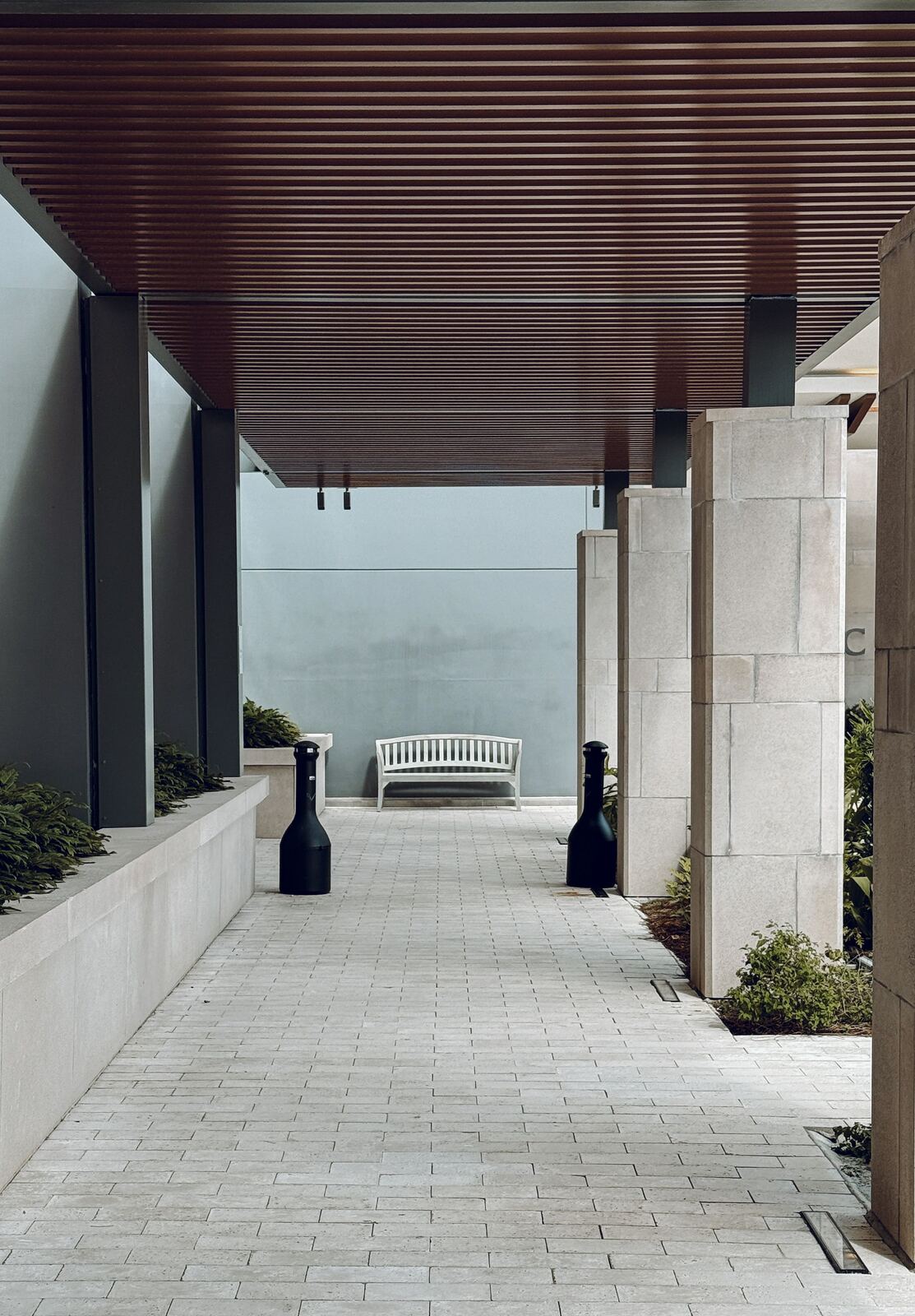
Concrete pavers are the most common choice for driveways because of their load-bearing strength and lower cost per square foot. For walkways and entry paths, homeowners often step up to flagstone or travertine for a more upscale look when heavy vehicle loads aren't a factor.
Designing a Driveway That Handles Real Use
A driveway takes more abuse than almost any other hardscaped surface on a property — daily vehicle weight, temperature swings between a 115-degree afternoon and a cool desert night, and in many West Valley homes, multiple cars and the occasional RV or trailer. Paver thickness and base depth both need to scale with the load, which is why we spec driveways differently from a garden walkway, even when the surface material looks similar.
Edge restraint matters more on driveways than anywhere else in a hardscaping project. Without a solid restraint system along every edge, pavers under vehicle weight will gradually spread outward over time, opening gaps and creating an uneven surface. We install commercial-grade edge restraint on every driveway, not just the residential-grade material, which is adequate for lighter foot traffic.
For homeowners in newer Sedella or Canyon Trails builds with a builder-grade driveway, a full paver overlay or replacement is one of the highest-impact curb-appeal upgrades available — it changes the entire first impression of the house without touching the landscaping or exterior paint.
Permeable Paver Options
Some Goodyear communities and HOAs are increasingly interested in permeable paving — a paver system with gaps or a porous surface that lets water drain into the ground rather than running off into the street. It's a good fit for driveway extensions or side-yard access paths where you want a durable surface without adding to runoff during a monsoon downpour. We can walk you through whether it's a fit for your specific project and any HOA requirements that might apply.
Walkways: Function and First Impressions
A front walkway does double duty — it needs to be safe to walk at night, and it's one of the first things a visitor or potential buyer notices about a home. We typically build in a slight crown or slope for drainage, use a textured or tumbled paver finish for slip resistance, and coordinate lighting placement with you if you're adding low-voltage path lights along the route.
Side-yard access paths — the narrower walkways that run along the side of a house to a gate or backyard — get less attention in most people's planning but see just as much wear, especially if they're the main route for trash cans, pool equipment, or yard tools. We build these to the same base standard as a front walkway rather than treating them as an afterthought, since a shortcut here just means a redo sooner.
If you'd rather have a poured slab for part of the project, such as a garage apron or a utility pad, a concrete contractor can handle that side while we handle the pavers.
Get a Free Driveway or Walkway Quote
Itemized pricing, no pressure.